Resources
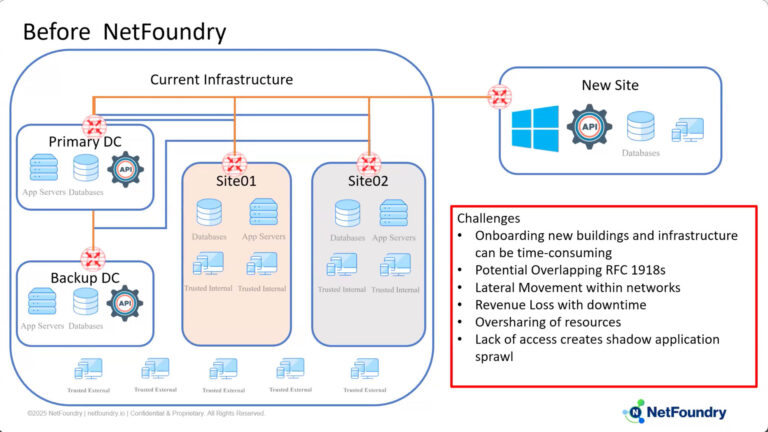
NetFoundry flipped the model from “network security” to “secure networking” Business networks (TCP/IP) don’t enforce strong identities, continuous authentication and fine-grained, deny-by-default authorization and access. They are by default insecure, expensive to manage and blockers to business velocity. The solution...
Accelerating DTM-25-003 Outcomes with Identity-First, Authenticate-Before-Connect Networking In modern OT, the challenge is no longer just how to connect systems securely, but how to do so without triggering repeated firewall/VLAN changes, MOC cycles, safety reviews, and IT/OT governance friction. This...
Accelerating DTM-25-003 Outcomes with Identity-First, Authenticate-Before-Connect Networking DoD components are under a clear mandate to achieve, at minimum, target-level Zero Trust across unclassified and classified systems (including national security systems) on the DoDIN by the end of FY2027, with priority...
NIST 800-207 outlines a framework where trust is never granted implicitly based on physical or network location. NIST Special Publication 800-207 is generally considered the most widely respected and authoritative definition of Zero Trust. It fundamentally redefines enterprise security by...
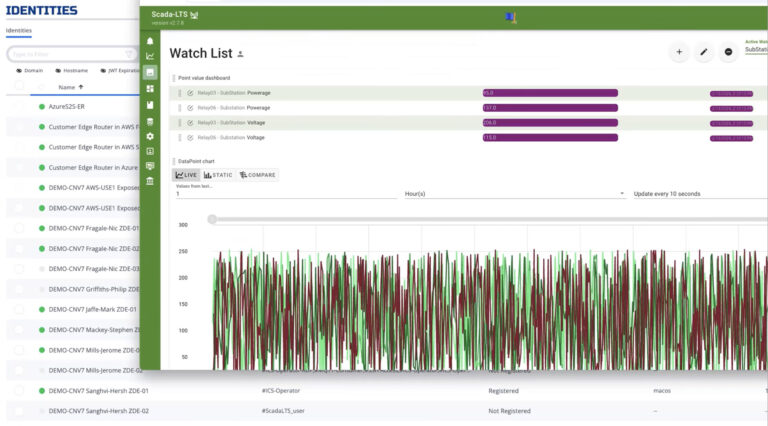
Enable OT Connectivity and Segmentation Without Compromising Safety, Uptime, or IEC 62443 Requirements Operational Technology (OT) systems need more connectivity – for vendor support, condition monitoring, analytics, and IT/OT integration – but traditional network-centric approaches (VPNs, jump servers, inbound firewall...
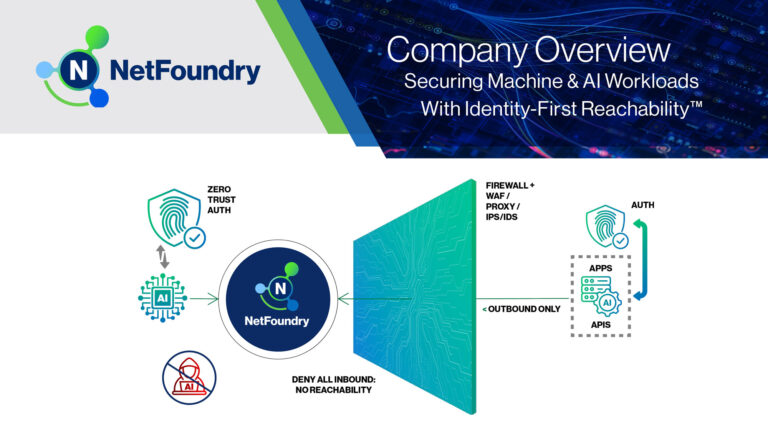
Accelerate Deployments and Eliminate Cyber Exposure Distributed workloads, such as those that enable modern applications, industrial devices and AI Agents, are aheadache for operations—and a dream for attackers. As enterprises deploy workloads across hybrid, multi-cloud, edge, OT, IoT, and partner...
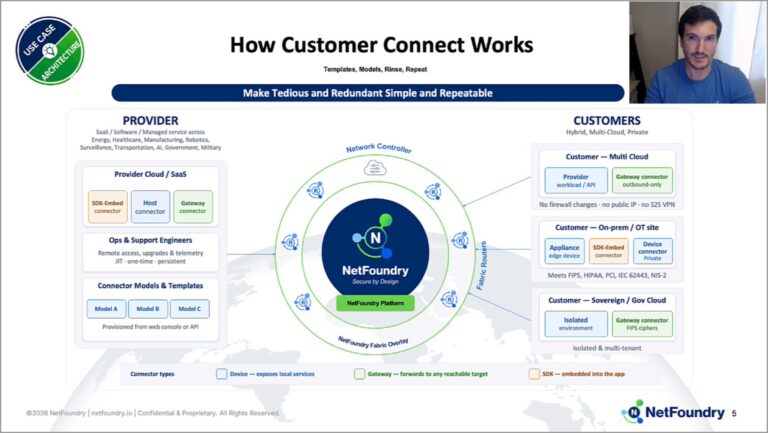
Accelerate Secure Customer Deployments Software and service providers increasingly need secure connectivity into customer IT, OT, IoT, and cloud environments—for application delivery, managed services, monitoring, support, and service-to-service communications. Yet traditional networking approaches introduce new operational activities and issues that...